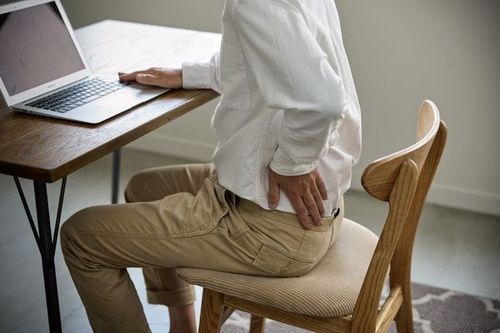
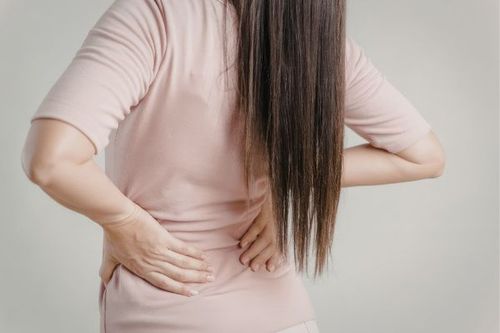
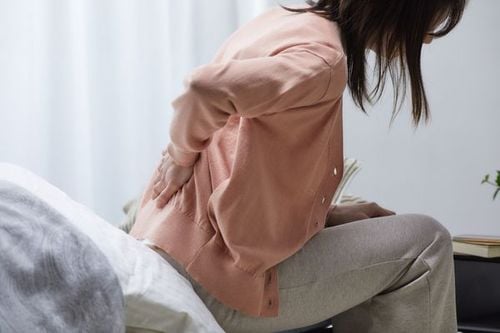
Low back pain is one of the most common causes of work-related health problems. Most cases of low back pain result from injuries such as muscle sprains, sudden movements, or improper posture when lifting heavy objects.
This article is professionally consulted by MSc, MD. Nguyen Thi Thanh Binh - Rehabilitation Physician - Department of General Surgery - Vinmec International General Hospital, Da Nang.
1. Causes of low Back Pain
In many cases, low back pain is related to spinal degeneration, which refers to the gradual loss of normal structure and function of the spine over time. This typically occurs in the joints, intervertebral discs, and vertebrae as people age. Some examples of mechanical causes of low back pain include:
- Sprains: Sprains involve injury to the joint capsules, most commonly ligaments. They often occur after excessive forceful movements but do not cause dislocations or fractures. Sprains can lead to ligament strain or tears, often due to twisting or improper lifting of heavy objects. Such movements may trigger muscle spasms in the back, causing pain.
- Degenerative disc disease: This occurs when components of the intervertebral discs deteriorate, causing abnormal movement of ligaments, joints, and vertebral bone surfaces, resulting in low back pain. It is one of the most common and studied causes of low back pain. Herniated or ruptured discs may happen when discs are compressed and bulge or rupture, causing pain.
- Nerve root disorders: These are conditions caused by compression, inflammation, or injury to the spinal nerve roots. Pressure on the nerve roots leads to pain, numbness, or tingling sensations that radiate along the nerve’s path. This may occur in spinal stenosis or disc herniation compressing nerve roots.
- Sciatica: The sciatic nerve is the longest and largest nerve in the body, running from the low back through the pelvis, buttocks, and down the legs. Compression of the sciatic nerve causes pain along its path, usually on one side of the body, affecting the hip, buttocks, thigh, calf, and foot, known as sciatica.
- Injuries: Sports injuries, car accidents, or falls can damage tendons, ligaments, or muscles leading to low back pain. Injuries can also cause excessive spinal compression, potentially resulting in disc herniation or rupture, putting pressure on spinal nerves. When spinal nerves are compressed or irritated, low back pain and sciatica may develop.
- Spinal stenosis: Narrowing of the spinal canal puts pressure on the spinal cord and nerves, causing pain or numbness when walking, eventually leading to leg weakness and loss of sensation.
Bone abnormalities: These include scoliosis; lordosis (an inward curve of the spine usually in the lumbar and cervical regions due to posture or spinal disorders); and other congenital spinal deformities.
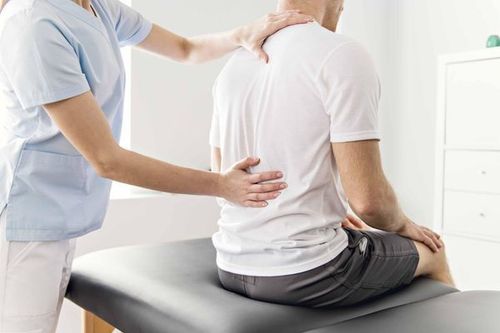
Low back pain is rarely caused by serious diseases, but when it occurs, immediate medical attention is required. Serious causes include:
- Infections: Though uncommon, infections affecting the vertebrae such as osteomyelitis, discitis, or sacroiliitis can cause back pain.
- Tumors: Tumors are a relatively rare cause of back pain. Occasionally tumors originate in the back but are more often metastatic cancers from other body sites.
- Cauda Equina Syndrome (CES): This syndrome occurs when the nerve roots of the cauda equina are compressed, disrupting motor and sensory functions to the low limbs and bladder. It is a medical emergency that can lead to incontinence or permanent paralysis if untreated.
- Abdominal aortic aneurysm (AAA): The abdominal aorta is the largest artery in the body, running from the heart through the chest to the abdomen, where it splits into two iliac arteries. An aneurysm is a localized dilation exceeding 50% of the normal artery diameter.
AAA is a condition characterized by an abnormal localized dilation of the aorta in the abdominal segment. It can cause back pain as a sign of aneurysm enlargement and risk of rupture requiring urgent evaluation.
- Kidney stones: Can cause sharp pain on one side of the low back.
Other underlying causes of low back pain include:
- Arthritis: Conditions such as rheumatoid arthritis, ankylosing spondylitis, and vertebral arthritis may cause low back pain.
- Osteoporosis: A metabolic bone disease characterized by decreased bone density and strength, which can lead to fractures.
- Endometriosis: When endometrial tissue is found outside the uterus, in the abdominal cavity, bladder, rectum, or ovaries.
- Fibromyalgia: A chronic pain syndrome affecting muscles, ligaments, tendons, and soft tissues. It is often accompanied by fatigue, insomnia, or depression without structural damage to muscles, bones, or joints.
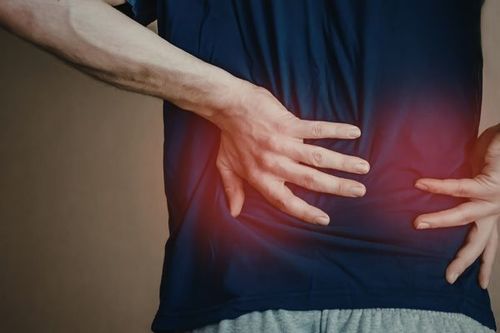
2. Who is at Risk of low Back Pain?
Besides underlying diseases, other risk factors include:
- Age: First episodes of low back pain commonly occur between ages 30 and 50, and symptoms tend to increase with age. Bone strength declines with osteoporosis, increasing fracture risk. Muscle elasticity and tone decrease, and intervertebral discs lose fluid and flexibility, reducing vertebral support. Spinal canal narrowing risk increases with age.
- Physical activity: low back pain is more common in people who do not exercise regularly. Weak back and abdominal muscles provide little support to the spine. Studies show that low-intensity aerobic exercise helps maintain disc integrity.
- Pregnancy: Commonly causes low back pain near the buttocks due to pelvic changes adapting to fetal weight and size. This pain usually resolves after childbirth.
- Weight gain: Overweight, obesity, or rapid weight gain can place pressure on the back, leading to pain.
- Genetics: Some causes of back pain, such as ankylosing spondylitis (inflammation at spinal joints or the spinal joint and pelvis), have genetic components.
- Occupational factors: Jobs requiring heavy lifting, pushing, or pulling, especially with twisting or vibration of the spine, increase risk. Sedentary or office jobs can also contribute, especially with poor posture or prolonged sitting.
- Mental health: Conditions such as anxiety and depression affect pain perception and focus, with stress potentially causing muscle tension.
- Heavy backpacks: A heavy backpack can cause muscle strain. Carrying backpacks exceeding 15-20% of a child’s body weight may strain back muscles, causing fatigue according to the American Academy of Orthopaedic Surgeons
3. Treatment of low Back Pain
Home Care
Self-care methods are helpful during the first 72 hours after pain onset. If no improvement occurs, consult a doctor.
Avoid daily physical activities for a few days and apply ice packs to the low back. Doctors usually recommend ice for 48 to 72 hours, then switch to heat therapy.
Over-the-counter pain relievers such as ibuprofen (Advil, Motrin IB) or acetaminophen (Tylenol) may reduce pain.
Lying flat may cause discomfort. If so, try lying on your side with knees bent and a pillow between legs. If comfortable lying flat, place a pillow or rolled towel under thighs to reduce pressure on the low back.
Warm baths or massages can relax stiff back muscles.
Medical Treatment
low back pain may be associated with various conditions such as:
- Muscle strain and weakness
- Nerve compression
- Spinal misalignment
Treatment includes:
- Medications
- Medical devices
- Physical therapy
Doctors determine medication types and dosages based on symptoms, such as:
- Muscle relaxants
- Non-steroidal anti-inflammatory drugs (NSAIDs)
- Opioids like codeine for pain relief
- Steroids to reduce inflammation
- Corticosteroid injections
Physical therapy may involve:
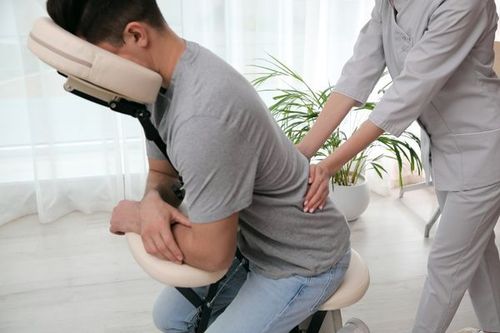
- Massage
- Stretching
- Spinal manipulation and massage
Surgery
- Surgery is reserved for severe cases when other treatments fail or emergencies like loss of bowel/bladder control or progressive neurological deficits occur.
- Surgical procedures may include removing pressure from nerve roots compressed by herniated discs or bone spurs. Surgeons remove the lamina, part of the vertebra, in a procedure called laminectomy.
- IntraDiscal Electrothermal Therapy (IDET) is a minimally invasive technique for chronic low back pain caused by degenerative or herniated discs. IDET may help some patients avoid open surgery such as decompression, spinal fusion, or disc replacement.
The Center for Orthopedic Trauma & Sports Medicine at Vinmec Times City specializes in treating musculoskeletal and ligament injuries, offering advanced services such as:
- Partial or total joint and bone replacement
- Hip, knee, elbow replacement
- Reverse shoulder arthroplasty and first finger joint replacement, unique in Vietnam
- Arthroscopic surgery for ligament and meniscus repair
- Bone and soft tissue tumor treatment
- Intensive sports medicine rehabilitation
- Motion analysis for diagnosis, monitoring, and athlete performance improvement
The center uses cutting-edge technology like 3D imaging and printing, personalized assistive devices, new materials for joint replacement, and robotic-assisted precise surgeries.
References: healthline.com, webmd.com, ninds.nih.gov
To arrange an appointment, please call HOTLINE or make your reservation directly HERE. You may also download the MyVinmec app to schedule appointments faster and manage your reservations more conveniently.