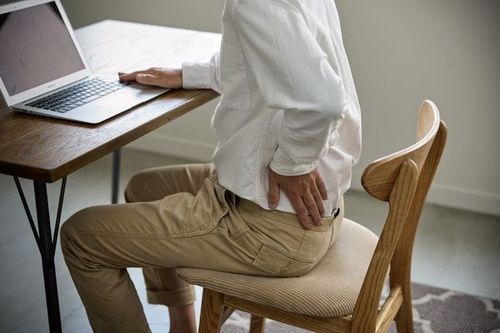
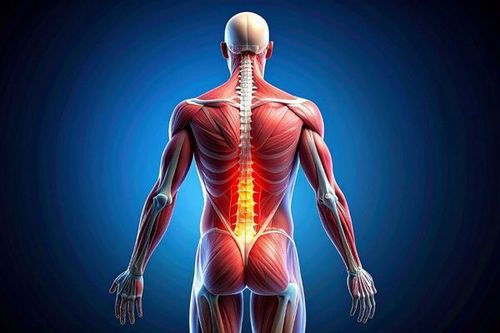
The symptoms of herniated disc disease are very diverse, including bulging, protrusion, or swelling of the intervertebral disc. When these signs appear, patients need to monitor their health carefully and undergo early medical examination to receive timely treatment. So, is disc bulging at the L4 - L5 level dangerous?
1. Location of the L4 - L5 Vertebrae
According to anatomy, the normal human spine consists of multiple vertebrae arranged one above another, including: 7 cervical vertebrae (C1 - C7), 12 thoracic vertebrae (D1 - D12), 5 lumbar vertebrae (L1 - L5), 5 sacral vertebrae (S1 - S5), and 4 coccygeal vertebrae.
Between two adjacent vertebrae lies an intervertebral disc, which functions to absorb shock and provide flexibility in movement. The disc’s structure consists of an outer fibrous ring and a central nucleus pulposus.
2. What Is Disc Bulging?

Disc bulging or protrusion occurs when the fibrous outer ring weakens, allowing the central nucleus pulposus to bulge out at the weakened site. However, the nucleus pulposus has not completely escaped as in herniated disc disease.
As a result, the damaged disc bulges or protrudes, compressing the spinal nerves and causing symptoms of lower back pain. Disc bulging is classified as an intervertebral disc injury, corresponding to the mild form of herniated disc disease.
Disc bulging can occur at any level of the spine but is most common in the lumbar region, followed by the thoracic or cervical regions.
In daily activities, the lumbar spine bears the greatest pressure due to body weight. Therefore, the lumbar vertebrae and discs are more prone to injury than other spinal segments. In reality, L4–L5 disc bulging is very common in the population and can occur at any age.
3. Causes of L4 - L5 Disc Bulging
There are many causes that can lead to L4 - L5 disc bulging. The most common include:
- Spinal degeneration: The mechanism leading to disc bulging is the weakening of disc elasticity and fibrous cartilage over time.
- Spinal injury: Traffic accidents, household accidents, or sports injuries can all damage the spine and discs, including disc protrusion.

- Poor postural habits such as sitting with a curved spine, lifting heavy objects incorrectly, overexertion, or improper exercise. Repetition of these poor habits over time causes disc trauma, particularly weakening of the outer fibrous ring, resulting in disc bulging.
- Overweight or obesity: As body weight increases, the pressure on the discs also increases. Therefore, obesity is another cause of disc bulging.
4. Symptoms of L4–L5 Disc Bulging
Patients with L4–L5 disc bulging may exhibit the following symptoms:
- Aching and fatigue in the lumbar spine. The pain may be dull, gradually intensify, and in some cases radiate down one or both legs.
- Tingling or “pins and needles” sensation spreading from the lower back down to the legs.
- Muscle weakness or numbness in one or both legs.
- Paralysis from the lower back down to both legs.
- Sphincter dysfunction such as urinary or fecal incontinence, erectile dysfunction, etc.
In the early stage, the symptoms are often mild and vague, sometimes disappearing and reappearing later. This makes patients underestimate or unaware of their condition. By the time the disease progresses, symptoms become clear and severe, including muscle weakness (similar to herniated disc), prompting medical attention.
5. Is L4 - L5 Disc Bulging Dangerous?
Disc bulging is usually not dangerous and has little effect on the patient’s daily life. However, because it is not detected early, diagnosis and treatment often occur only after the condition worsens into herniated disc disease.
When disc bulging progresses to herniation, it causes many dangerous complications. At that time, pain becomes more severe and frequent, significantly affecting quality of life.
In addition, lumbar pain may be accompanied by other symptoms such as numbness in both legs, muscle atrophy, weakness, and restricted movement.
In the most severe cases, patients with disc protrusion can become paralyzed, disabled, and completely lose mobility if not treated properly and promptly.
Disc bulging is usually not dangerous and has little effect on the patient’s daily life. However, because it is not detected early, diagnosis and treatment often occur only after the condition worsens into herniated disc disease.
When disc bulging progresses to herniation, it causes many dangerous complications. At that time, pain becomes more severe and frequent, significantly affecting quality of life.
In addition, lumbar pain may be accompanied by other symptoms such as numbness in both legs, muscle atrophy, weakness, and restricted movement.
In the most severe cases, patients with disc protrusion can become paralyzed, disabled, and completely lose mobility if not treated properly and promptly.
6. Diagnosis of Disc Bulging
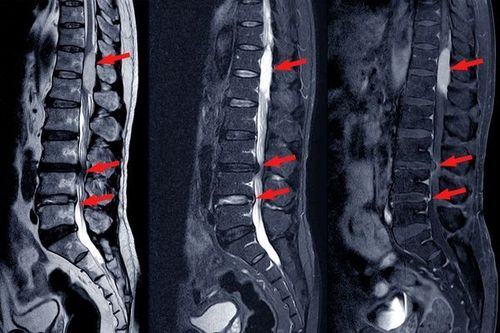
With typical symptoms and risk factors suggesting L4–L5 disc bulging, diagnostic imaging methods are indicated to confirm the diagnosis and determine severity, such as X-ray or magnetic resonance imaging (MRI).
7. Can Disc Bulging Be Treated?
Disc bulging is the early stage of herniated disc disease, so it can be treated effectively with good outcomes. However, for complete recovery, patients must combine several approaches, including physiotherapy exercises, medication, and hot–cold compress therapy.
The most fundamental principle in treating L4–L5 disc bulging is to maintain proper posture and protect the lumbar spine — avoiding actions such as slouching, bending, lifting, carrying heavy loads, or overexertion. Patients must especially avoid lying in hammocks or on soft mattresses.
- Physical therapy such as acupuncture or acupressure helps relax muscles and increase blood circulation to muscles and joints.
Exercise with light activities such as walking, yoga, and swimming. - Medications such as muscle relaxants (to control spasms) and corticosteroids (anti-inflammatory and pain-relieving drugs, injected directly into the affected spinal nerve area).
- Chiropractic spinal therapy: This method gently manipulates the vertebrae to restore the disc and spine’s natural structure, reducing nerve compression.
- Surgery.
Disc bulging is usually not dangerous if patients are examined and treated promptly. Therefore, when there are symptoms of the disease or after spinal trauma, patients should go to medical centers for examination and treatment.
To arrange an appointment, please call HOTLINE or make your reservation directly HERE. You may also download the MyVinmec app to schedule appointments faster and manage your reservations more conveniently.