

Nội dung bạn đang tìm kiếm không có phiên bản tiếng Việt.
Vui lòng chọn tiếp tục để xem nội dung tiếng Anh hoặc đi đến trang chủ Tiếng Việt.
Rất xin lỗi về sự bất tiện này.
Cardiology

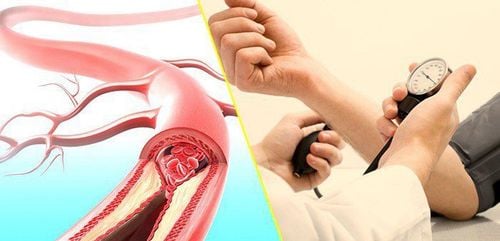
Is it concerning to experience facial flushing while taking medication for hypertension for 10 years?
I have a history of high blood pressure for over 10 years. Recently, I've experienced slight facial flushing and a feeling of bewilderment. I regularly take blood pressure medication daily to manage my condition. Doctor, is it concerning to have facial flushing while taking blood pressure medication for 10 years? Thank you, doctor.
View more

Good Foods for Patients with Atrial Fibrillation
Atrial fibrillation is related to arrhythmia disorders, so people with this condition need to pay close attention to the foods they consume in their diet. Foods high in salt can lead to high blood pressure, which negatively affects atrial fibrillation... This article will discuss some types of foods that should or should not be consumed for this condition.
View more
Latest articles
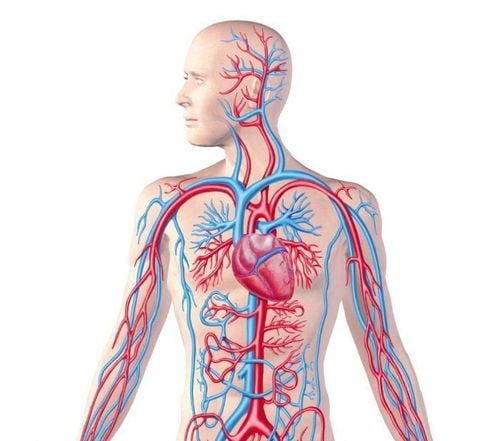
Three key factors ensure proper circulatory system function
The circulatory system has an important function, maintaining the body's life. To ensure that circulatory system function is maintained, three important factors are needed including blood volume, blood vessels and heart. Just a change in the above factors can affect circulatory system function.
View more
Is a systolic blood pressure of 133/135 and a diastolic blood pressure of 85/87 high?
I measured my blood pressure and found that my systolic pressure is 133/135 and my diastolic pressure is 85/87. Could you please tell me if these readings are considered high? Or is it pre-hypertension as I age? Thank you, Doctor.
View more

Are atrial premature beats (APBs) dangerous?
Atrial premature beats (APBs) are a type of arrhythmia caused by the atria generating abnormal early beats before the normal heartbeat. These premature beats are often weak and inefficient in pumping blood, leading to sensations of skipped beats and palpitations that you may be experiencing.
View more
Is it concerning if the heart rate fluctuates after stopping Concor 2.5?
Dear doctor, one year ago, I had a fast heart rate, and after consulting a doctor, I was given Concor 2.5 mg, to be taken once daily. I took the medication at 10 AM every day. Now that I want to have another child, I have discontinued the medication. Five days after stopping, I have high blood pressure and a very fast heart rate of 135 beats per minute.
View more
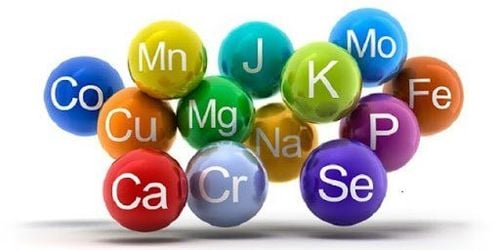
Electrolytes and their effects on the cardiovascular system
Electrolytes are substances that can dissolve in body fluids, creating ions with positive and negative charges. These minerals are very important for the body because they help perform nerve and muscle functions, help maintain fluid balance in the body, blood pressure and blood pH.
View more
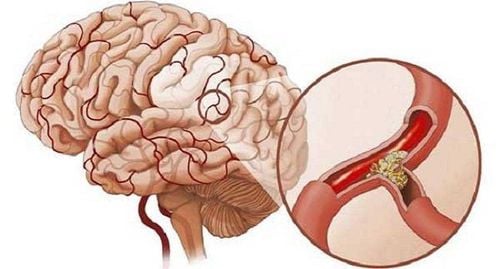
Differentiating Cerebral Infarction and Cerebral Hemorrhage in Clinical.
Cerebral infarction and cerebral hemorrhage are two commonly encountered clinical scenarios in the context of cerebrovascular disease, also known as a stroke. Although they have almost similar symptoms, cerebral infarction and cerebral hemorrhage are entirely different phenomena. It is essential to have specific ways to differentiate between cerebral infarction and cerebral hemorrhage in clinical practice to ensure effective diagnosis and treatment for each patient.
View more

Shortness of breath and tachycardia in hot weather: Is there a cause for concern?
I often experience shortness of breath during extremely hot weather, accompanied by symptoms of tachycardia and an unstable heart rate. Could you please clarify whether experiencing shortness of breath and rapid heart rate in hot weather is concerning? I have undergone examinations, and everything appears to be normal.
View more
Is it okay to sit or lie down when the heart beats fast?
Is it okay to sit or lie down when your heart beats fast? Thank you, doctor.
View more

