
Nội dung bạn đang tìm kiếm không có phiên bản tiếng Việt.
Vui lòng chọn tiếp tục để xem nội dung tiếng Anh hoặc đi đến trang chủ Tiếng Việt.
Rất xin lỗi về sự bất tiện này.
Women's Health Center

Is it normal to have excess tissue growth in the vagina?
Recently, I noticed a lump in my vaginal area that looks like excess tissue, but I don’t feel any pain or discomfort. Could you please tell me if it is normal for a lump to appear in the vagina? Thank you, doctor.
View more
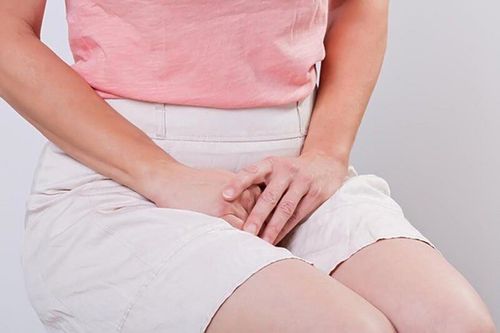
Causes of Genital Acne
Genital acne is a common condition, especially in women. In most cases, it is not serious, but it can cause discomfort and affect daily life. However, some cases may indicate underlying gynecological conditions. Therefore, it is essential to identify the exact cause of genital acne.
View more
Latest articles
Be Aware of Uterine Adhesions After Abortion
After an abortion or uterine curettage, there is a high risk of developing secondary infertility due to excessive thinning of the uterine lining, which can lead to:
✔️ Scanty menstruation
✔️ Lower abdominal pain
✔️ Irregular or absent periods
These symptoms are often mistaken for menstrual disorders, delaying diagnosis and treatment.
View more
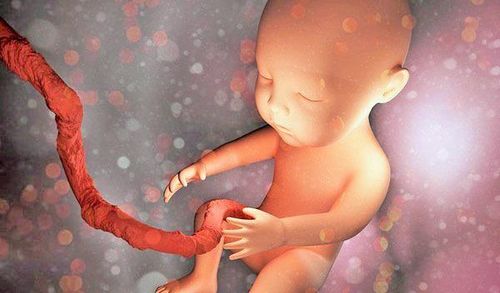
How Does the Umbilical Cord Nourish the Fetus?
When a mother eats, the food travels down the esophagus. In the stomach, the food is broken down into glucose, fats, and proteins. After digestion, the nutrients are absorbed into the bloodstream and transferred from the mother to the baby through the placenta.
View more

Is a beta-hCG level of 85.46 on the 9th day after embryo transfer indicative of pregnancy?
On the 9th day after embryo transfer, my hCG test result was 85.46. Does this indicate pregnancy? Thank you.
View more
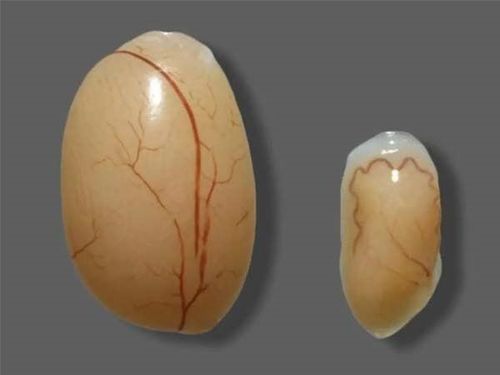
One testicle is atrophied, can I still have children?
The testicles are the organs that produce sperm and control the activities of the reproductive system. If one day you discover that one testicle is atrophied or smaller than the other, you will certainly be very worried. The most concerning issue is "Can one testicle produce children?".
View more
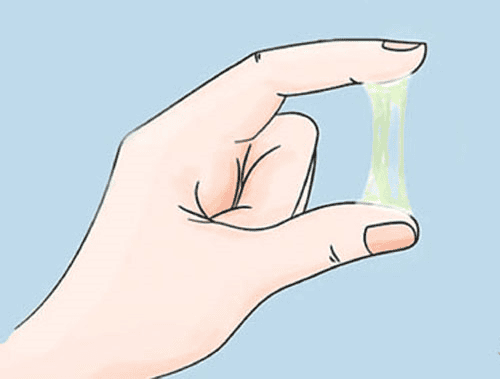
Is light yellowish-green vaginal discharge without odor or itching a cause for concern?
Doctor, I have a question. I often have light yellowish-green vaginal discharge without odor or itching. Is this a cause for concern? Thank you for your advice.
View more
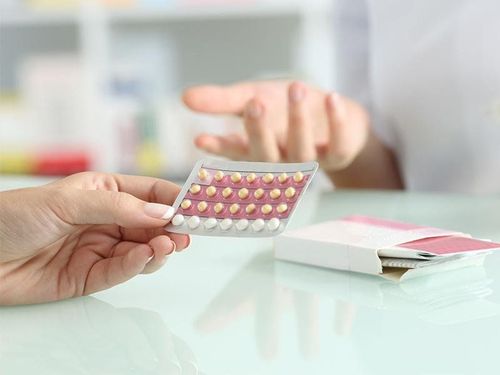
What to do if you experience menstrual irregularities after taking birth control pills?
Many women worry and wonder what to do about menstrual irregularities? Is there a way to treat menstrual irregularities? In reality, menstrual irregularities are a very common issue among women, particularly during puberty and perimenopause.
View more
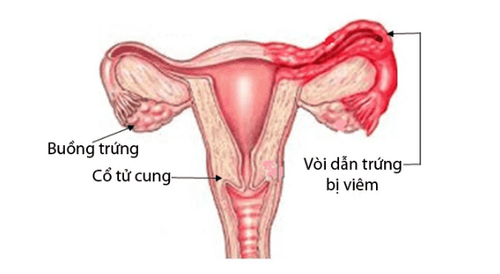
Treatment methods for salpingitis (fallopian tube inflammation)
Salpingitis, or fallopian tube inflammation, is a major component of pelvic inflammatory disease (PID). It commonly affects women of reproductive age and can significantly impact fertility. Treatment approaches for fallopian tube inflammation depend on whether the condition is acute or chronic.
View more

Why do you experience back pain during menstruation?
Lower back pain is a common symptom associated with menstrual cycle-related conditions, such as premenstrual syndrome (PMS)—a condition that most women experience during their menstrual period. The pain can become more severe in cases of premenstrual dysphoric disorder (PMDD), dysmenorrhea, or endometriosis.
View more

