
Nội dung bạn đang tìm kiếm không có phiên bản tiếng Việt.
Vui lòng chọn tiếp tục để xem nội dung tiếng Anh hoặc đi đến trang chủ Tiếng Việt.
Rất xin lỗi về sự bất tiện này.
Women's Health Center

Post-Cesarean Care: How to Clean the Private Area
If you have had a cesarean section, your baby was delivered through an incision in the skin and uterus. Full recovery after a cesarean can take time. It is important to take care of yourself—for your own well-being and because your newborn needs you. Here are some guidelines to follow at home:
View more

Is it okay to take emergency contraception every month?
Emergency contraception is used to prevent pregnancy if you have unprotected sex. While emergency contraception is typically used in urgent situations, some people still question whether it can be used regularly. This article provides an overview of this issue.
View more
Latest articles

Cesarean section incision care and suture removal
Cesarean section (C-section) is widely chosen by many expectant mothers to reduce labor pain and certain complications compared to vaginal delivery. However, proper cesarean section incision care is crucial to prevent infections.
View more
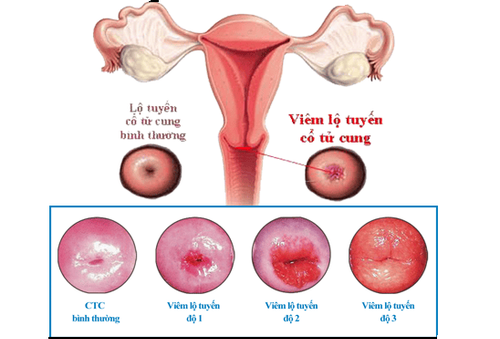
3 Stages of Cervical Ectropion
Cervical ectropion is a benign condition in the cervix that increases the risk of infertility and, in some cases, may lead to cancer.
View more

How does the endometrium change throughout the menstrual cycle?
The thickness of the endometrium changes according to age and the menstrual cycle under the influence of female sex hormones. The endometrium is thin after menstruation and in postmenopausal women, and thickens in pregnant women and during the second half of the menstrual cycle.
View more

What Should Pregnant Women Do When They Have a Fever?
Many people tend to take fever-reducing medication when they have a fever, but this can be extremely dangerous, especially for pregnant women. If experiencing a fever, pregnant women should rest in a cool, well-ventilated environment with fresh air to ensure the well-being of both themselves and the baby.
View more
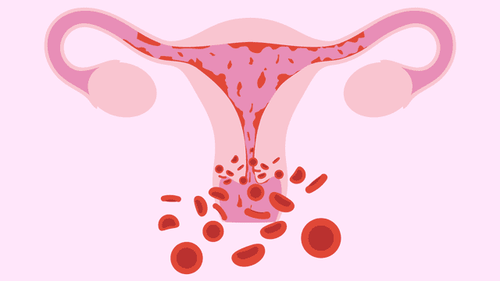
Cervical Polyps and the Risk of Malignant Progression
Many women wonder whether cervical polyps are dangerous, as this is a common condition that significantly affects fertility. Cervical polyps originate from chronic inflammation of the cervix. Although cervical polyps are generally benign, women should still take preventive measures to safeguard their health.
View more

How many eggs do normal women have? At what age do they run out of eggs?
A newborn girl has about 1-2 million eggs, but by the time she reaches puberty, only about 300,000 eggs remain in the ovaries. Of these, only about 500 eggs will be released during the woman's reproductive years. The remaining eggs gradually die off over time and are depleted by menopause.
View more
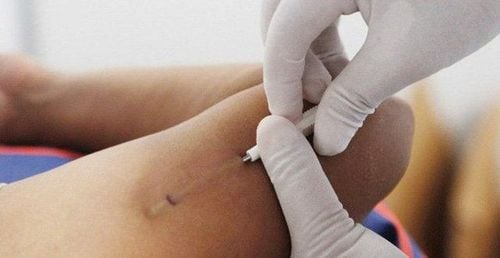
How long after removing the contraceptive implant can you get pregnant?
Currently, there are many different contraceptive methods, each with its own advantages and disadvantages. Depending on their health condition and financial situation, women can choose the most suitable contraceptive method for their body. The contraceptive implant is a highly effective method (99.95%) that provides long-term pregnancy prevention.
View more
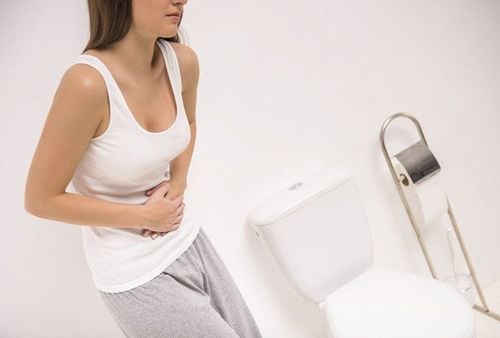
Management of Urinary Retention in Postpartum Women
Postpartum urinary retention is one of the common complications, particularly in women who deliver vaginally. These women may experience a strong urge to urinate but are unable to do so. Clinical examination typically reveals a soft abdomen with a well-contracted uterine fundus, along with an additional palpable mass, which is the distended bladder.
View more

